The Future of Work: AI in Everyday Tasks
Dec 11, 2025
Reading time: 4 min
Industry Trends
The Future of Work: AI in Everyday Tasks
Dec 11, 2025
Reading time: 4 min
Industry Trends

Introduction
Artificial Intelligence (AI) is no longer a futuristic concept — it’s already woven into our daily professional lives. From managing emails to analysing data, AI tools are quietly transforming how we approach everyday tasks. As workplaces evolve, understanding this shift isn’t just useful — it’s essential for staying competitive, productive, and innovative.
Introduction
Artificial Intelligence (AI) is no longer a futuristic concept — it’s already woven into our daily professional lives. From managing emails to analysing data, AI tools are quietly transforming how we approach everyday tasks. As workplaces evolve, understanding this shift isn’t just useful — it’s essential for staying competitive, productive, and innovative.
AI Is Becoming the Invisible Assistant at Work
AI has transitioned from being a specialised technology to an everyday helper. Tools like ChatGPT, Notion AI, and Microsoft Copilot act as digital assistants that simplify routine work — drafting emails, summarising documents, and generating reports in seconds.
Common examples include:
Email Management: AI filters messages, drafts replies, and prioritises your inbox.
Scheduling: Smart assistants automatically coordinate meetings across time zones.
Note-Taking: AI tools like Otter.ai transcribe and summarise meetings instantly.
Content Creation: Platforms like Jasper or Copy.ai help create social posts, blogs, and ad copy effortlessly.
This shift allows professionals to spend more time thinking strategically rather than juggling repetitive administrative work.
AI Is Becoming the Invisible Assistant at Work
AI has transitioned from being a specialised technology to an everyday helper. Tools like ChatGPT, Notion AI, and Microsoft Copilot act as digital assistants that simplify routine work — drafting emails, summarising documents, and generating reports in seconds.
Common examples include:
Email Management: AI filters messages, drafts replies, and prioritises your inbox.
Scheduling: Smart assistants automatically coordinate meetings across time zones.
Note-Taking: AI tools like Otter.ai transcribe and summarise meetings instantly.
Content Creation: Platforms like Jasper or Copy.ai help create social posts, blogs, and ad copy effortlessly.
This shift allows professionals to spend more time thinking strategically rather than juggling repetitive administrative work.
Smarter Decision-Making Through AI Insights
AI isn’t just about automating; it’s also about amplifying decision-making. With access to vast datasets, AI can analyse trends, forecast outcomes, and provide actionable insights faster than any human team could.
Examples of data-driven decision making:
Finance: AI predicts spending patterns and identifies cost-saving opportunities.
Human Resources: AI analytics help improve hiring decisions and employee retention.
Marketing: Predictive algorithms suggest the best campaigns based on audience behaviour.
Operations: AI-driven dashboards optimise workflows and detect bottlenecks early.
When data and AI combine, organisations move from being reactive to proactively managing challenges before they arise.
Smarter Decision-Making Through AI Insights
AI isn’t just about automating; it’s also about amplifying decision-making. With access to vast datasets, AI can analyse trends, forecast outcomes, and provide actionable insights faster than any human team could.
Examples of data-driven decision making:
Finance: AI predicts spending patterns and identifies cost-saving opportunities.
Human Resources: AI analytics help improve hiring decisions and employee retention.
Marketing: Predictive algorithms suggest the best campaigns based on audience behaviour.
Operations: AI-driven dashboards optimise workflows and detect bottlenecks early.
When data and AI combine, organisations move from being reactive to proactively managing challenges before they arise.
Collaboration Between Humans and Machines
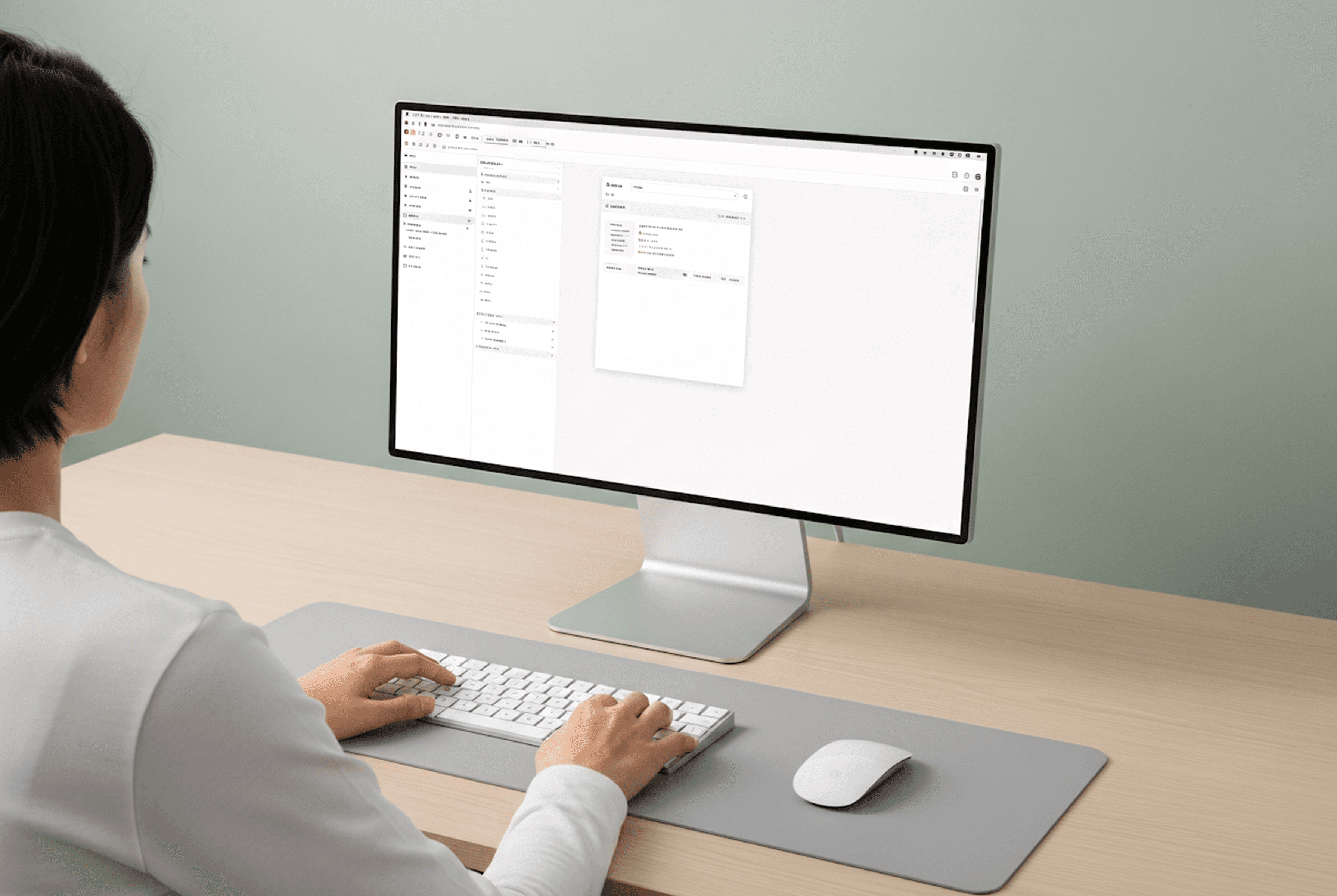
The future of work isn’t AI replacing humans — it’s AI enhancing human potential. As automation takes over routine work, people can focus on creative, interpersonal, and strategic tasks that require empathy, ethics, and imagination.
Examples of human-AI synergy:
Designers use AI to generate ideas, then refine them with personal creativity.
Customer support teams rely on chatbots for FAQs but handle emotional or complex issues themselves.
Programmers use AI assistants like GitHub Copilot to write code faster, focusing on logic and innovation.
This collaboration fosters a new work culture — one where humans and machines learn from each other and continuously improve outcomes.
Collaboration Between Humans and Machines
The future of work isn’t AI replacing humans — it’s AI enhancing human potential. As automation takes over routine work, people can focus on creative, interpersonal, and strategic tasks that require empathy, ethics, and imagination.
Examples of human-AI synergy:
Designers use AI to generate ideas, then refine them with personal creativity.
Customer support teams rely on chatbots for FAQs but handle emotional or complex issues themselves.
Programmers use AI assistants like GitHub Copilot to write code faster, focusing on logic and innovation.
This collaboration fosters a new work culture — one where humans and machines learn from each other and continuously improve outcomes.
The Rise of AI-Driven Productivity
AI is redefining productivity standards. Instead of “working harder,” we’re moving toward “working smarter.” AI tools are streamlining processes across industries:
Examples of human-AI synergy:
In Education: Personalised learning paths adapt to student progress.
In Healthcare: AI monitors patient data, predicts risks, and assists in diagnostics.
In Manufacturing: Predictive maintenance reduces downtime and increases efficiency.
In Remote Work: Virtual assistants automate file organisation, transcription, and task tracking.
By automating low-value tasks, employees can channel energy into innovation, leadership, and problem-solving — the skills that define the next era of work.
The Rise of AI-Driven Productivity
AI is redefining productivity standards. Instead of “working harder,” we’re moving toward “working smarter.” AI tools are streamlining processes across industries:
Examples of human-AI synergy:
In Education: Personalised learning paths adapt to student progress.
In Healthcare: AI monitors patient data, predicts risks, and assists in diagnostics.
In Manufacturing: Predictive maintenance reduces downtime and increases efficiency.
In Remote Work: Virtual assistants automate file organisation, transcription, and task tracking.
By automating low-value tasks, employees can channel energy into innovation, leadership, and problem-solving — the skills that define the next era of work.

Challenges and Ethical Considerations
As AI becomes more integrated, it also introduces new challenges. Companies must address:
Data Privacy: Protecting sensitive information from misuse.
Bias and Fairness: Ensuring algorithms make unbiased decisions.
Transparency: Making AI systems explainable and accountable.
Reskilling: Helping employees adapt to new AI-driven roles.
Leaders must prioritise ethical frameworks, governance, and continuous learning to ensure AI enhances — not replaces — the human experience.
Challenges and Ethical Considerations
As AI becomes more integrated, it also introduces new challenges. Companies must address:
Data Privacy: Protecting sensitive information from misuse.
Bias and Fairness: Ensuring algorithms make unbiased decisions.
Transparency: Making AI systems explainable and accountable.
Reskilling: Helping employees adapt to new AI-driven roles.
Leaders must prioritise ethical frameworks, governance, and continuous learning to ensure AI enhances — not replaces — the human experience.
Preparing for the AI-Enhanced Future
Adapting to this new AI-powered landscape requires a shift in mindset. Workers of the future will need a blend of technical literacy, creativity, and emotional intelligence.
Practical steps to stay ahead:
Learn AI Tools: Get hands-on experience with automation and analytics platforms.
Develop Soft Skills: Empathy, communication, and adaptability remain irreplaceable.
Embrace Lifelong Learning: Technology evolves fast — stay curious and up-to-date.
Collaborate with AI: Treat AI as a teammate that complements your strengths.
Organisations that combine human ingenuity with AI efficiency will set the standard for the future of work.
Preparing for the AI-Enhanced Future
Adapting to this new AI-powered landscape requires a shift in mindset. Workers of the future will need a blend of technical literacy, creativity, and emotional intelligence.
Practical steps to stay ahead:
Learn AI Tools: Get hands-on experience with automation and analytics platforms.
Develop Soft Skills: Empathy, communication, and adaptability remain irreplaceable.
Embrace Lifelong Learning: Technology evolves fast — stay curious and up-to-date.
Collaborate with AI: Treat AI as a teammate that complements your strengths.
Organisations that combine human ingenuity with AI efficiency will set the standard for the future of work.
Final thoughts
The future of work is already here — and AI is at its core. From simplifying everyday tasks to unlocking new levels of creativity and insight, AI empowers people to focus on what truly matters: innovation, connection, and meaningful progress.
Embracing AI isn’t just about using new tools — it’s about reimagining how we work. The real transformation happens when technology and humanity move forward together.
Final thoughts
The future of work is already here — and AI is at its core. From simplifying everyday tasks to unlocking new levels of creativity and insight, AI empowers people to focus on what truly matters: innovation, connection, and meaningful progress.
Embracing AI isn’t just about using new tools — it’s about reimagining how we work. The real transformation happens when technology and humanity move forward together.
Categories
Business Automation
Software
Industry Trends
Marketing & Sales
How-To Guides
Healthcare
How-To Guides
Customer Service
Case Studies
E-commerce & Retail
Categories
Business Automation
Software
Industry Trends
Marketing & Sales
How-To Guides
How-To Guides
Customer Service
Case Studies
E-commerce & Retail